3 clocks, 1 plan. Why readiness never arrives at the same time.
The owner is ready
The owner has sat with the number that started this, a margin that had been slipping for 2 quarters straight. They've read the market, run the numbers, maybe even written the plan themselves before anyone else saw it. By the time the plan reaches the leadership team, they've been living with the idea for months.
They expect the room to move at the pace they've reached. The people in that room are still catching up to the idea itself.
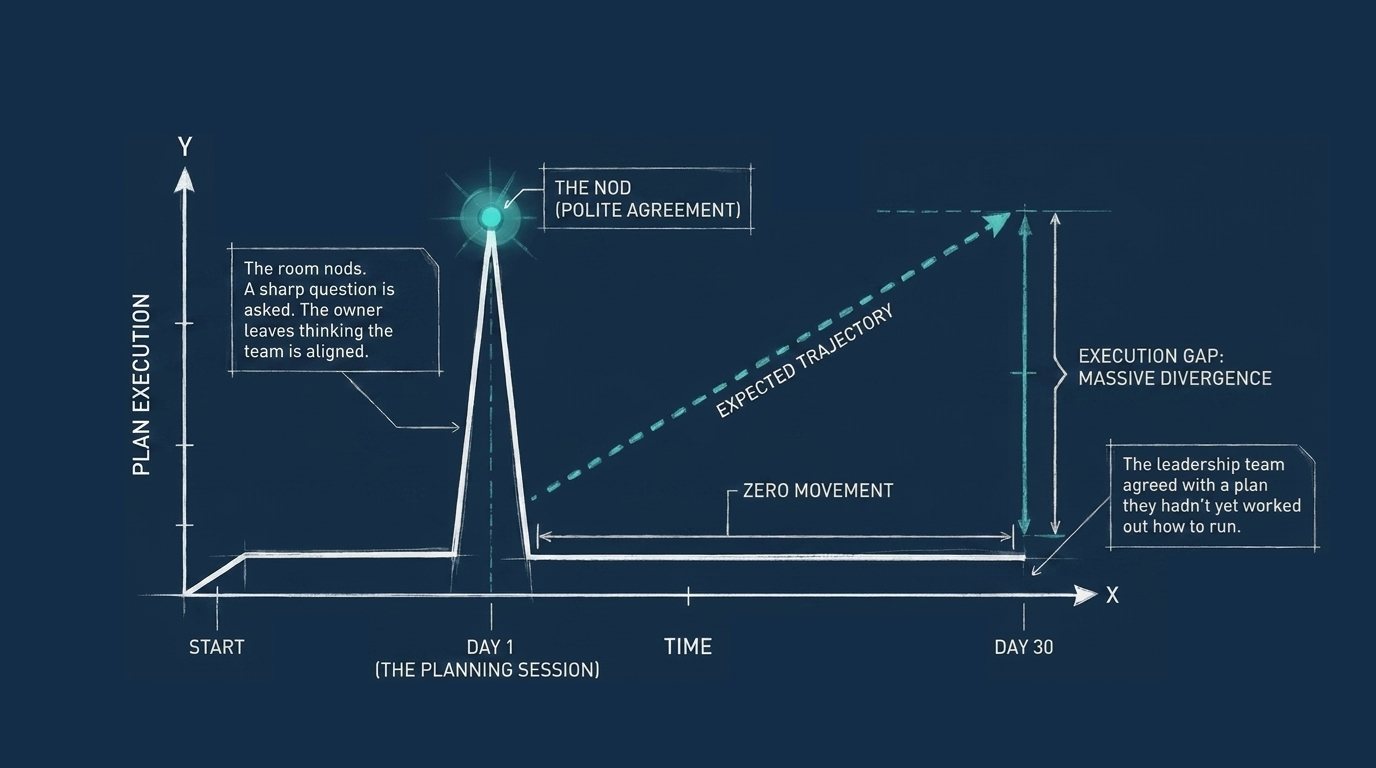
The meeting goes well. Heads nod. Someone asks a sharp question, which reads as engagement. The owner leaves thinking the team is aligned.
A month later, the plan hasn't moved past where it started. The leadership team agreed with a plan they hadn't yet worked out how to run.
The rest of the business is still catching up
Many MSP owners have watched a plan look finished in the room, then come apart once it reaches the people who have to deliver it.
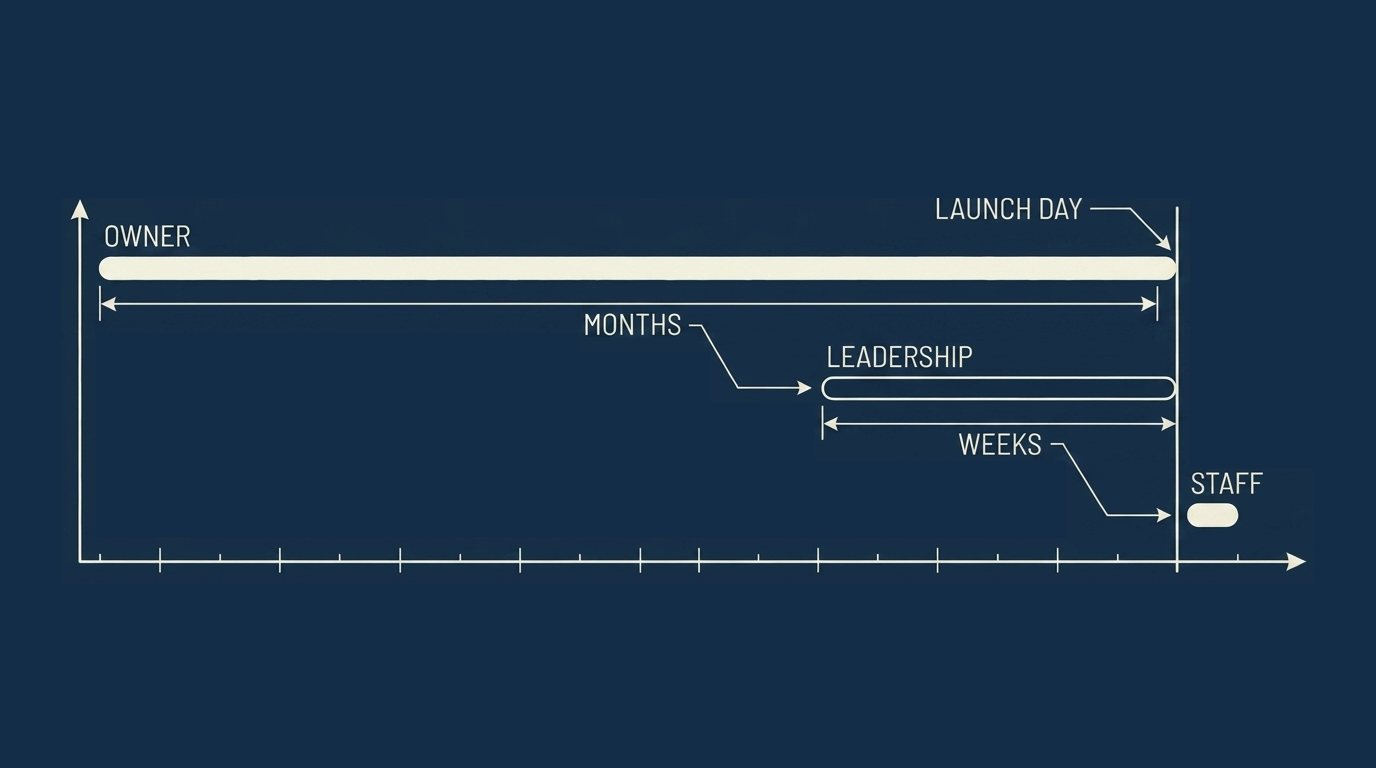
By the time the plan reaches the leadership team, months of thinking already sit behind it. The leadership team is hearing the decision, not the reasoning that built it.
Staff start further back again. Somebody still has to turn the decision into an actual process, what changes on a ticket, a roster, a client call, before anyone can run anything. What reaches staff is the result of that work: a new process with no reasoning attached. From where they sit, the change can look arbitrary, even when the logic behind it is sound.
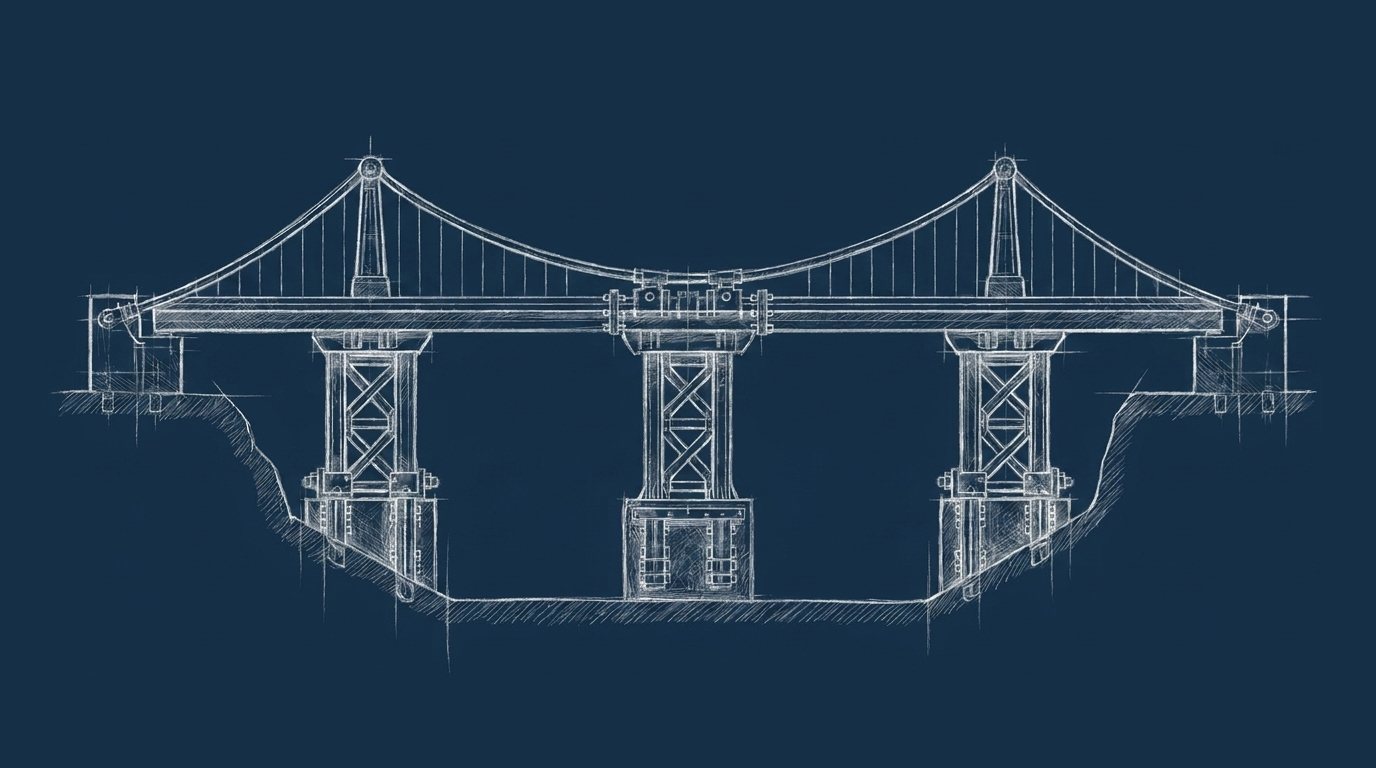
A decision reaches a business as 3 separate arrivals: one for the owner, one for the leadership team, one for staff, each at a different depth. A follow-up email or another all-hands doesn't close the gap between them.
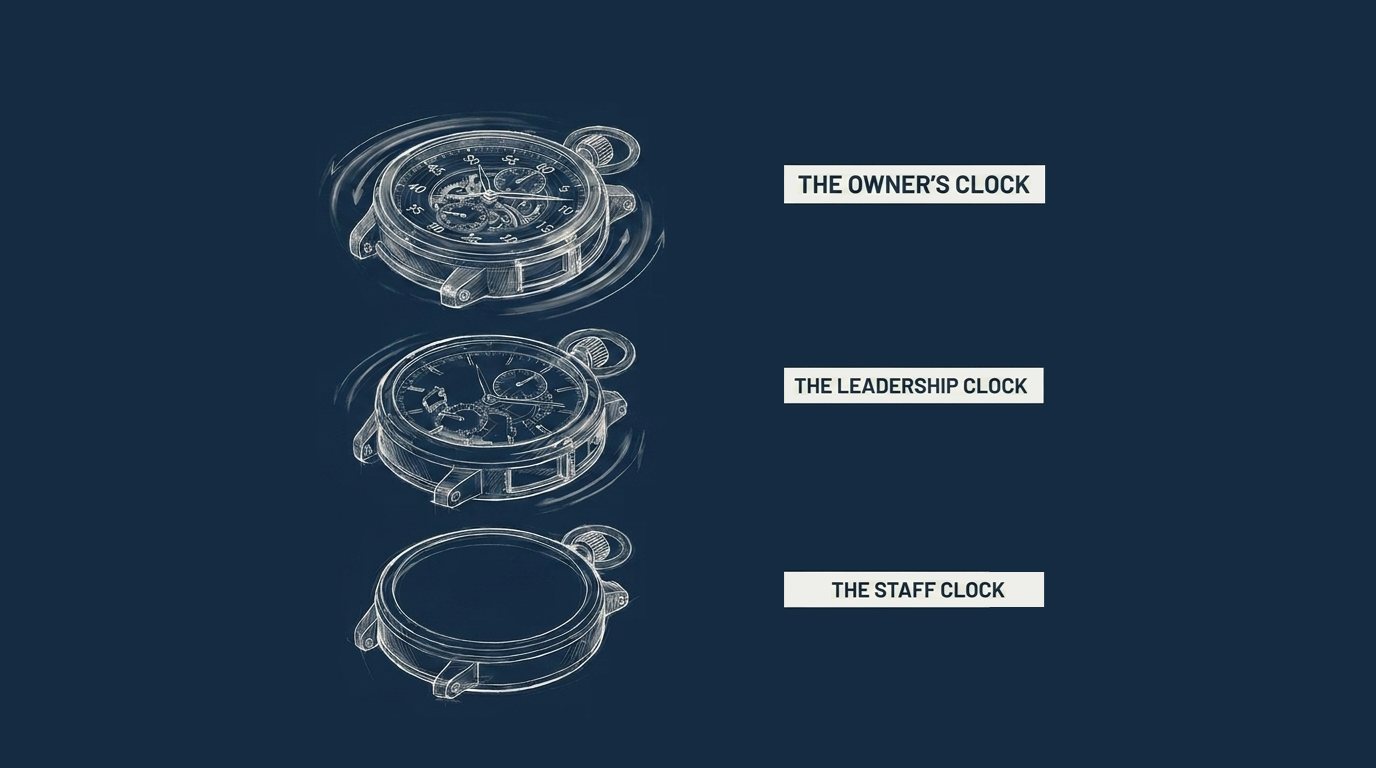
Every decision lands on 3 clocks running at different speeds.
The room already agreed
A leadership team nodding in a planning session has understood the plan. That's a Knowledge-stage result, the split this newsletter's first edition drew between understanding something and being able to run it.
The plan survives contact with the business if the leadership team takes ownership of it and staff can explain why the change is necessary in their own words.
It's easy to mistake that polite agreement for the same readiness the owner already has.
What it takes to move 3 clocks
Closing that gap takes running each readiness process on its own pace, with someone staying close enough to catch where they're pulling apart before the distance becomes the real problem. None of it pauses the business while it happens: tickets still need closing, clients still need answers.
For the owner, that often means walking the leadership team back through the reasoning in the order it happened, not just handing over the decision. For the leadership team, it means someone helping build the new process with them. Staff need someone explaining why the process changed before they're expected to follow it, in language that matches what happens in their day.
None of that happens in a single meeting or at the same pace across the business. A leadership team that's weeks into running something differently and a staff group that heard about it yesterday are different readiness problems sharing a single launch date.
Weeks of practice and a day's notice don't start from the same place.
Owners have seen this before
Maybe the leadership team agreed with the plan in the room and then let it drift once the meeting ended. Maybe staff are still asking why the old way stopped working, weeks after the announcement that was supposed to answer that. Either way, it's the same gap, showing up at a different layer of the business.
Aptimus helps MSPs close the gap between knowing and doing. If that's where you are, aptimus.com.au is the right place to start.
This edition first appeared in The Ability Gap newsletter on LinkedIn on 15 Sep 2026. Subscribe there to get the next one when it publishes.
Subscribe on LinkedIn Read this edition on LinkedIn